
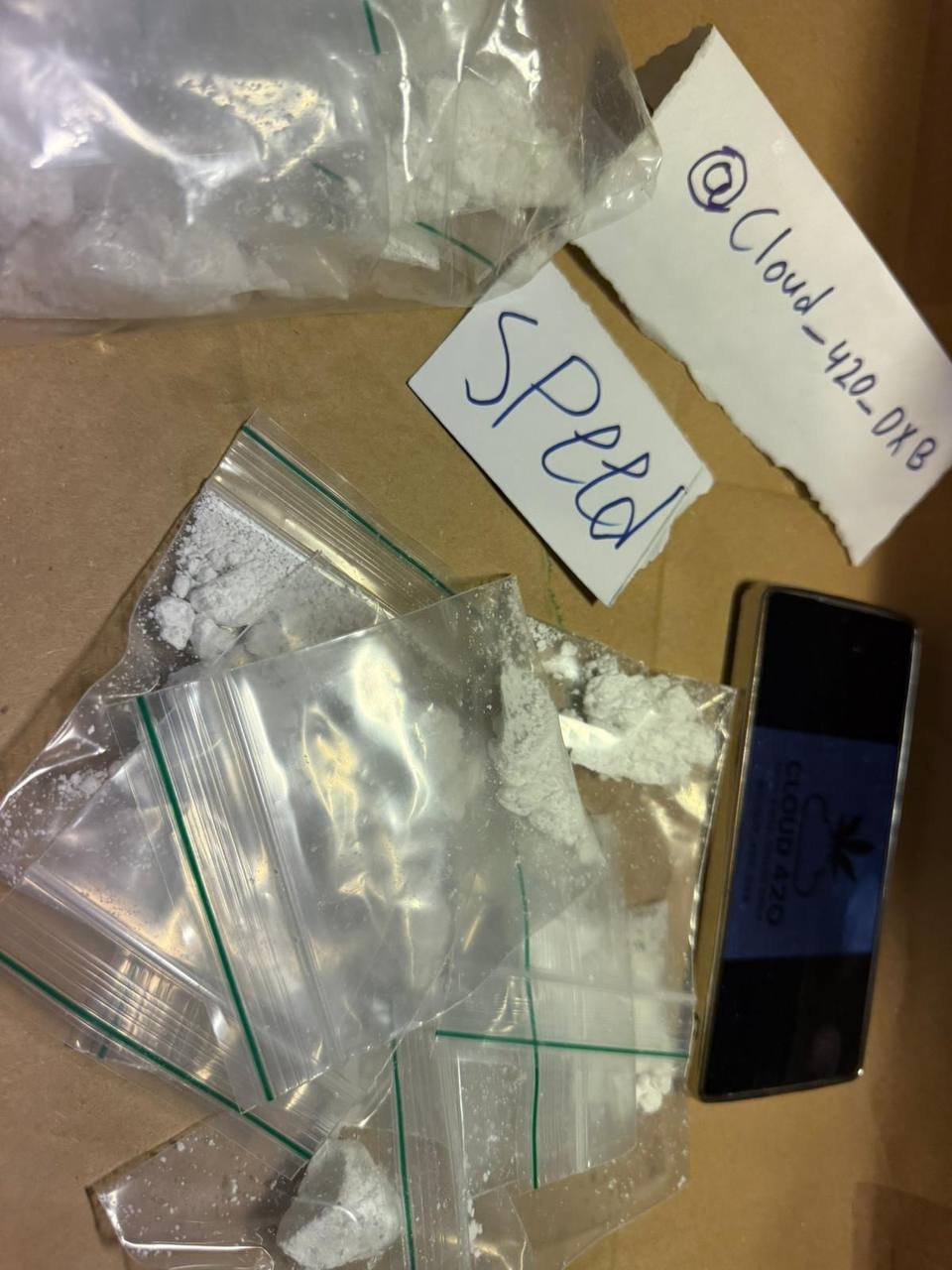
Buy Mephedrone 4-MMC Online
Mephedrone, also known as 4-MMC, is a synthetic stimulant that belongs to the cathinone class of compounds. Originally synthesized in the 1920s and gaining popularity in the 2000s, mephedrone has been studied extensively in scientific and legal contexts due to its psychoactive effects and potential risks. While recreational use is illegal in most countries, mephedrone is of interest in pharmacology and neuroscience research.
Chemical and Research Background
Mephedrone is chemically related to cathinone, a natural stimulant found in the khat plant. Researchers study its interaction with the central nervous system, particularly its effect on neurotransmitters such as dopamine, serotonin, and norepinephrine. Understanding these mechanisms helps scientists explore stimulant pharmacology, mood regulation, and neurological responses.
Potential Effects (Research-Based)
Mephedrone affects the brain’s chemical signaling pathways, producing stimulant-like effects under controlled research:
- Increased alertness and temporary energy
- Heightened sociability and attention
- Mild elevation of mood in controlled studies
It’s important to note that these effects are observed in research settings and are not endorsements of recreational use. Effects can vary significantly based on dosage, purity, and individual physiology.
Potential Benefits (Scientific Context Only)
While mephedrone is primarily studied for its pharmacological and neurological properties, some potential research-based benefits include:
- Understanding dopamine and serotonin pathways in the brain
- Insights into stimulant mechanisms for developing medications
- Contribution to research on mental health disorders, such as depression and fatigue, by studying neurotransmitter modulation
These potential “benefits” are strictly research-oriented and do not imply safe human consumption outside controlled laboratory settings.
Side Effects (Documented in Research)
Scientific studies and case reports indicate several side effects associated with mephedrone exposure:
- Short-term effects: Increased heart rate, elevated blood pressure, mild anxiety, insomnia, and nausea
- Neurological effects: Headaches, dizziness, or transient changes in mood and cognition
- Potential long-term risks: Repeated exposure may affect neurotransmitter systems, leading to emotional instability, cognitive difficulties, or dependency in uncontrolled scenarios
Researchers emphasize that the risk profile is significant, and mephedrone is classified as a controlled substance in most regions.
Safety and Precautions
Due to its stimulant properties and legal status, mephedrone should only be considered within:
- Regulated research studies with medical oversight
- Pharmacological or neuroscience investigations
- Proper legal and ethical compliance for laboratories
Precautions include monitoring cardiovascular and neurological parameters, ensuring purity in research samples, and avoiding unsupervised use, which is illegal and potentially dangerous.
Conclusion
Mephedrone (4-MMC) is a synthetic stimulant with a complex pharmacological profile. While its psychoactive effects have drawn attention, modern research focuses on its scientific and neurological significance, studying its influence on neurotransmitters, mood, and cognition. Understanding its effects, side effects, and safety considerations provides valuable insight into the broader class of synthetic stimulants, contributing to neuroscience, pharmacology, and legal policy discussions.




Reviews
There are no reviews yet.